2026-09-16 ·
Porta Potty Options for Hunting Camps in the Payette National Forest
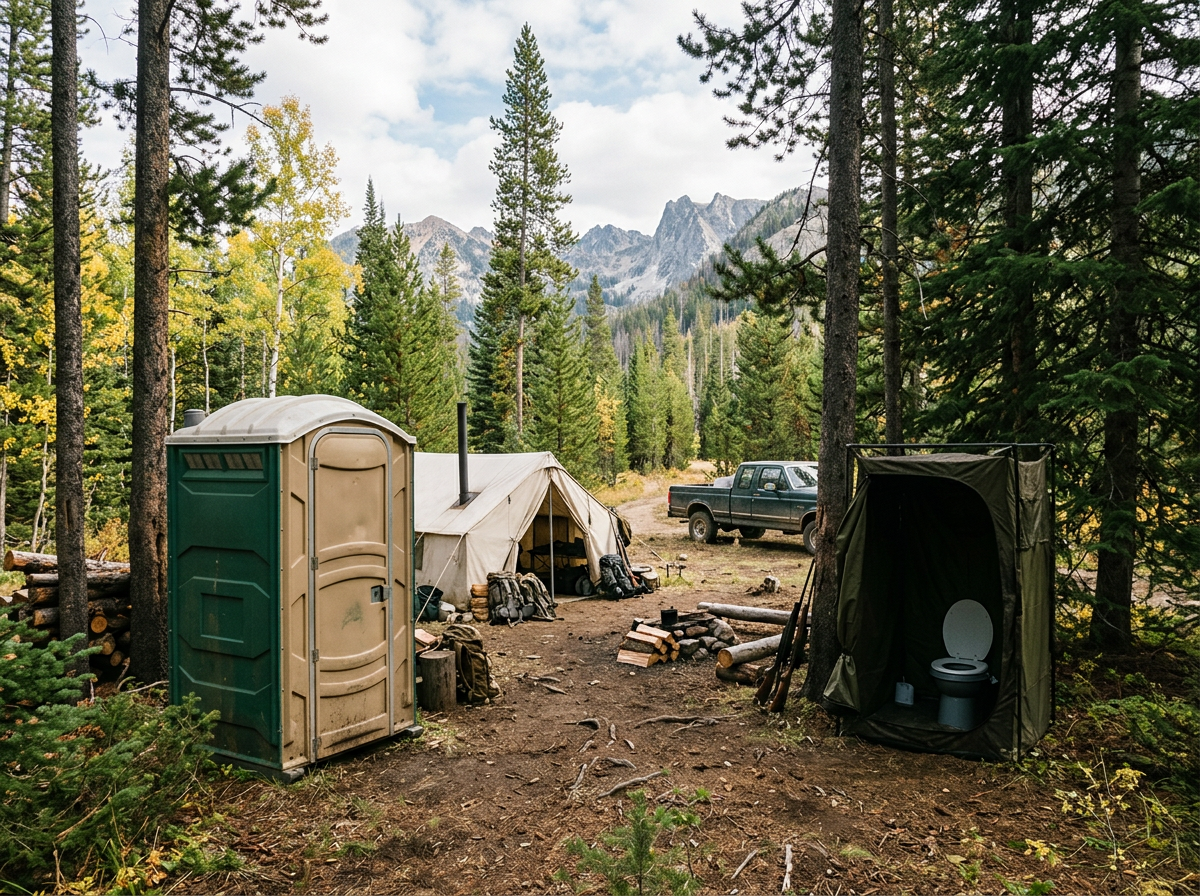
Hunting camps in the Payette National Forest typically need one standard portable toilet per four to six hunters when stays run five to ten days, with service visits scheduled every three to five days depending on crew size and road access. Units must handle cold nights that reach well below freezing and roads that may require plowing or four-wheel-drive delivery. Both basic models and restroom trailers fit these camps once ground level and water or power sources are confirmed.
Selecting Appropriate Portable Toilet Units
Standard portable toilets remain the most common choice for hunting camps because they require no external hookups and fit on small cleared pads. These units include a holding tank sized for multiple users over several days and can be placed near camp perimeters without blocking game trails. Restroom trailers offer an upgrade when groups stay longer or include families, providing sinks and better ventilation while still operating on the same waste-removal schedule. ADA accessible units become necessary when any participant has mobility limitations, ensuring the door and interior dimensions meet basic access needs. Handwash stations pair well with any setup, especially when water sources are distant from the main camp area. Service crews from McCall can reach most Payette sites via forest roads, though longer drives to remote trailheads extend response time during peak hunting weeks.
Navigating Access and Terrain Challenges
Payette National Forest roads often narrow to single-track or require crossing snow patches even in early season. Delivery trucks need at least a 10-foot-wide cleared path and a reasonably level spot for unloading. Steep grades near Brundage Mountain demand extra care during placement to keep units stable on the forest floor. Setting Up Portable Toilets on Sloped Lots Near Brundage Mountain outlines how crews anchor units on uneven ground without damaging roots or creating erosion. Hunters should mark the intended pad with flagging tape ahead of arrival so drivers avoid soft shoulders or hidden stumps. When camps sit more than 30 miles from McCall, teams often stage units at a midpoint pullout the day before final placement to shorten the final leg on rough roads.
Addressing Winter Freezing and Service Access
Once temperatures drop, waste can freeze inside tanks and slow pumping. Crews add non-toxic antifreeze agents rated for Idaho winters and may increase service frequency to every three days on longer hunts. Snow-packed roads limit trailer access, so many camps switch to single portable toilets that fit on sleds or tracked vehicles for the last half mile. Handling Waste Removal for Extended Porta Potty Rentals in Winter explains how operators time visits between storms and use heated hoses to prevent line freeze during extraction. Hunters should clear a 12-foot by 12-foot pad and keep a shovel handy for re-leveling after fresh snow. Remote sites near the Snake River plain harvest areas face similar access limits when early storms close secondary forest roads.
Understanding Placement and Maintenance Needs
Forest Service expectations focus on keeping units at least 100 feet from water sources and out of sight from main trails when possible. A simple gravel or plywood base prevents sinking in soft soil and makes leveling faster for crews. Waste removal follows the same route in and out, so hunters should note any gates or locked spurs when reserving units through portable toilet rental. Daily checks by camp members include confirming the door seals and adding deodorizer packets if odor becomes noticeable. When a group books a luxury restroom trailer rental, they must also confirm a generator or battery source for lighting and ventilation fans during multi-week stays.
Final Considerations for Your Hunting Camp Setup
Successful setups start with a site visit by the rental team to confirm road conditions and pad size before the season opens. Groups that coordinate service dates with weather forecasts avoid missed pickups when storms close access. Leaving the pad and surrounding area free of debris at the end of the hunt keeps future permits straightforward. Local crews based at 460 Krahn Ln, McCall, ID 83638 know the seasonal patterns of Payette roads and can adjust delivery timing to match actual snow levels rather than calendar dates.